How fast can you get units out after a disaster in Mount Vernon?
Emergency response is a different animal than a scheduled event. We keep emergency porta potty rental capacity ready because floods, ice storms and power outages do not wait for a lead time. A standard unit runs 100 to 350 dollars a day, and delivery adds a separate fee, typically 100 to 500 dollars depending on how far the crew has to travel and how fast you need the trucks moving. Pelham sits 2.0 miles east of Mount Vernon, and Mamaroneck is 7.4 miles east, so if a regional event stretches our local fleet, we can still reach either town within a short drive. For agencies coordinating shelter sites, disaster relief sanitation planning works best when you tell us headcount and duration up front, even if the duration is unknown, because we can convert a day rate to a week rate once the picture is clearer. Check the porta potty rental cost page for how day, week and month pricing compares before you commit to a term, or see monthly porta potty rental if the response is likely to run past a few weeks. Emergency staging usually calls for more units than a typical job site, because damaged plumbing means every toilet nearby is suddenly out of service at once, which is also why our service areas page lists how far our trucks already run. If your response includes cleanup crews with fifteen or more workers, look at how many porta potties do i need for a ratio you can hand to a site supervisor without guessing.
What sanitation gear do relief operations actually need?
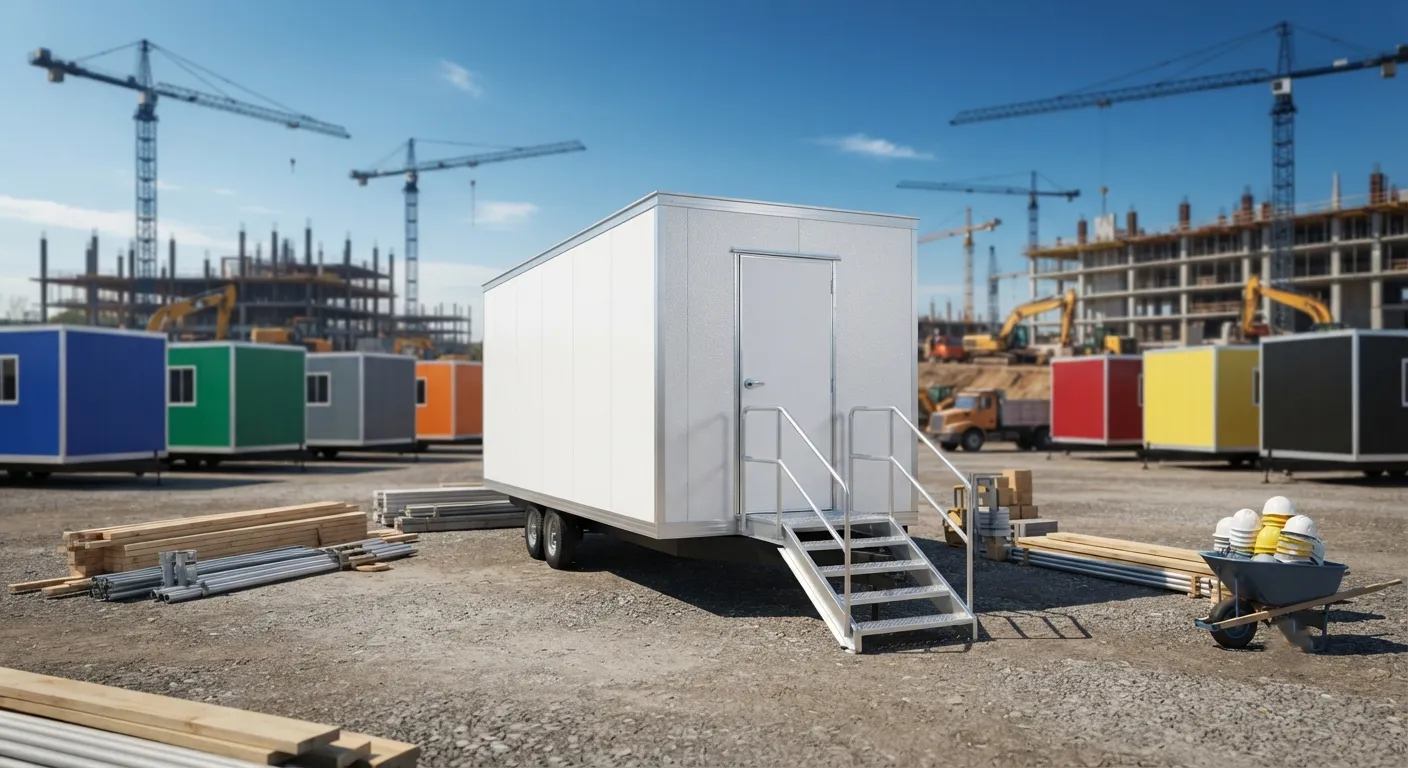
Most relief sites need three things at once: toilets, water, and a way to wash hands, and each one has its own rulebook. OSHA 1926.51(c) sets toilet counts for construction-type operations: one facility for 20 workers or fewer, then one toilet seat and one urinal per 40 workers as headcount climbs past that, dropping to one per 50 once you're above 200 people on site. That standard applies to work crews doing debris removal and utility repair, so a FEMA-adjacent cleanup crew of 25 needs more than a single unit parked at the curb. OSHA 1926.51(a)(1) also requires an adequate supply of potable water at any place of employment, which is why we pair handwashing station rental units with toilet deliveries rather than sending toilets alone, and why handwashing requirements is worth a read before you finalize an order. Under 29 CFR 1910.141(d)(2), washing facilities need soap and towels or a hand-drying device. Hand sanitizer alone does not satisfy that. If your crew is dealing with contaminated debris, coatings, or insecticide residue, OSHA 1926.51(f)(1) requires washing facilities for that specific exposure, so flag it and we will bring the right setup. A standard unit holds 60 to 70 gallon tank, and it stands about 92 inches tall on a footprint near 44 by 48 inches, which matters when responders are placing units on cracked pavement or gravel lots in a hurry. For sites near medical tents or command posts, portable restroom rental can be paired with a restroom trailer rental, or an 8 stall restroom trailer if agency staff need something closer to a normal bathroom.
Are ADA-compliant units available for shelters and relief sites?
Yes, and shelters serving the public need to plan for them, not treat them as optional. ADA Standards section 213.2 requires that where single-user portable units are clustered, at least 5 percent, and never fewer than one, must be an accessible unit. An ada accessible porta potty rents for 200 to 400 dollars a day, higher than a standard porta potty rental because of the larger footprint and grab bar hardware, and it's covered in more detail on ada restroom requirements. ADA Standards section 304.3.1 calls for a 60 inch turning circle inside the unit, and section 404.2.3 sets the minimum clear door opening at 32 inches, both of which matter when someone is maneuvering a wheelchair or a mobility device across uneven ground at a shelter entrance. Section 405.2 also caps ramp slope at 1:12, so if your relief site needs a ramp up to a raised platform or trailer, plan the run length accordingly. Mount Vernon shelter operations should treat accessible units as part of the base count, not an add-on ordered later when someone asks, and the porta potty placement guide covers ground surface and clearance around each unit. If your event or shelter runs longer than a few days, the porta potty rental per day page breaks down when it's smarter to convert to a weekly rate instead of paying day rates on repeat. Scarsdale, 7.5 miles northeast of Mount Vernon, and Dobbs Ferry, 10.2 miles north, are both towns where our trucks already run routes, so cross-town relief staging is not unusual for us, and a construction site services order can be scaled up the same way when a relief operation grows.
What does emergency sanitation cost compared to a standard rental?
| unit | day | week | month |
|---|---|---|---|
| standard | 100-350 | 130-500 | 125-325 |
| ada | 200-400 | 120-240 | n/a |
Pricing follows the same bands as any rental. Disaster response just compresses the timeline, so day rates get used more often even when a week rate would cost less overall.
Do you provide handwashing stations separate from toilets?
Yes. A portable sink rental or hand sanitizer station rental can be ordered on its own, without a toilet attached, which shelters often need near food service tables.
Can you deliver to a shelter that isn't a construction site?
Yes. We deliver to schools, churches and community centers used as shelters. Site access matters more than the site type, so tell us about doorways, ramps and parking before delivery day.
Will you service units daily during an extended response?
Yes, and service frequency depends on user count. ANSI/PSAI Z4.3 sets a baseline of one visit weekly per 10 users over 40 hours, but shelter conditions often call for daily service instead.
Is a septic or holding tank option available if plumbing is down?
Yes. A holding tank rental works when a building's own septic or sewer connection is offline, and it pairs well with septic pumping service for ongoing removal, or emergency septic service if the tank fills faster than expected.
Next step
Get a delivery date
Tell us the address, the dates and the headcount. We size the order and confirm the route.