
How Often Does a Septic Tank Need Pumping?
The honest answer: it depends on your tank size and your household size, and that pairing drives everything. A typical residential septic tank gets pumped every 3 to 5 years, and that range comes straight from tank capacity versus the number of people flushing into it every day. A smaller household with a bigger tank can stretch toward the 5-year end, and if you are unsure where your household falls, our how many porta potties do I need style guides for site sizing follow the same logic of counting people against capacity. A full house with a smaller tank should not wait that long, the same way a busy job site cannot stretch out its porta potty rental per day schedule past what OSHA 1926.51(c)(1) allows for worker counts. If you have never had yours checked, or you cannot remember the last visit, that alone is reason to schedule one. Mount Vernon Porta Pros tracks pump dates for repeat customers so nobody has to guess. For a broader look at what changes the interval, our page on how often to pump a septic tank breaks down the tank-size and household math in more detail. If you are dealing with a commercial kitchen instead of a house, the math is different again, since grease and solids build up faster; see our grease trap pumping page for that side of things.
What Are the Warning Signs a Tank Needs Pumping?
Slow drains, gurgling pipes, and standing water near the drain field are the three big ones. Sewage odor near the tank lid or in the yard is another. A backup into the lowest drain in the house is the most urgent sign of all, and it usually means the tank is already past full. None of these signs mean the tank is broken, much like a do porta potties smell complaint on a job site usually points to a service interval problem rather than a broken unit. Most of the time they just mean it is due. Waiting past that point risks solids reaching the drain field, which turns a routine pump-out into a much bigger repair. If you are seeing any of these, do not wait for a scheduled visit. Check our septic tank warning signs page for a fuller list, and if the smell or backup is bad enough that it cannot wait a few days, call for emergency septic service instead of booking routine septic tank cleaning.
What Does a Septic Pumping Service Include?
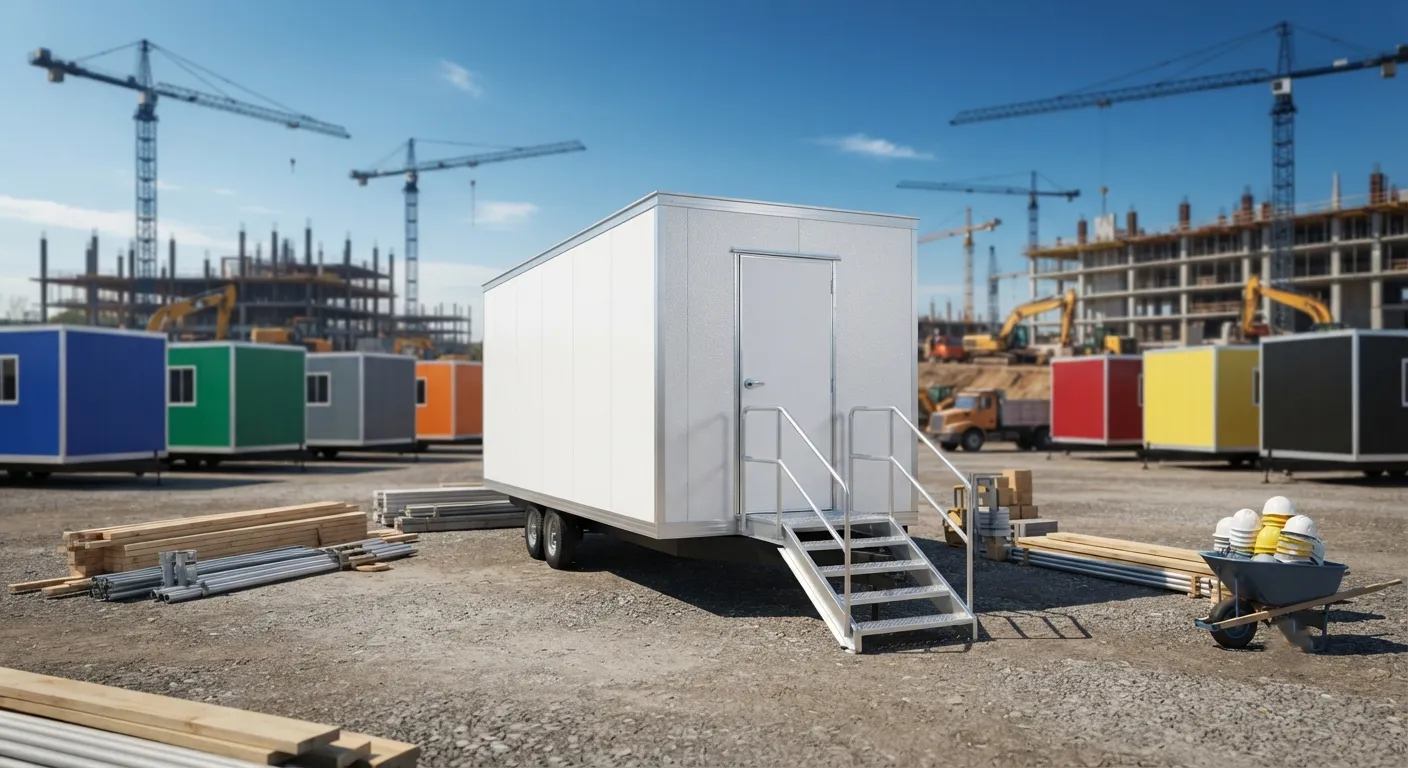
A standard visit covers locating and uncovering the tank lid, pumping out the liquid and solid waste, and a quick visual check of the tank condition and baffles. The crew notes tank fill level and flags anything that looks like a developing problem, like a cracked lid or a saturated drain field. For a straightforward home tank in Mount Vernon, the visit is usually a single truck and a couple of hours, not a full-day project, similar to how a porta john rental delivery is a quick stop rather than a lingering job. Pricing for this kind of visit runs in the $150 to $300 day-rate range depending on tank size, access, and how far the truck has to travel. If your property also runs a grease interceptor for a kitchen or food service operation, that is a separate service; a grease interceptor gets pumped once fats, oils, grease and solids reach 25 percent of the liquid depth, not on a fixed calendar. For general questions about the process end to end, our septic pumping service overview and septic tank pumping cost page cover both what happens and what it runs, and if you are budgeting a full renovation our monthly porta potty rental page can help line up both costs together.

How Much Does Septic Tank Pumping Cost?
Cost depends mainly on tank size, access, and whether the visit is routine or an emergency call. Here is what a typical visit looks like priced out:
| Service | Price Range | Notes |
|---|---|---|
| Standard pump-out (day rate) | $150 to $300 | Most 1,000 to 1,500 gallon residential tanks |
| Weekend service | $50 to $150 | Add-on premium for weekend scheduling |
| Delivery/service fee | $100 to $300 | Distance and access dependent |
A 1,000 gallon tank pumping falls at the lower to middle end of that day-rate range for most households, assuming normal access and no major backup to clean up first. Tanks that are harder to reach, buried deeper, or that have gone years past due can run toward the higher end, since solids that have hardened take longer to break up and remove, the same access issue that drives up cost on a dumpster rental cost job when a truck cannot get close. If you are comparing this against other site services on a job, our septic tank pumping cost page walks through the variables in more detail, and our general septic pumping service page ties cost back to scope.
Does Mount Vernon Porta Pros Offer Holding Tank Rental?
Yes. A holding tank rental works differently than pumping an existing septic system: instead of servicing a fixed underground tank, we place a portable holding tank on site and service it on a schedule, which suits construction sites, events, and properties without a working septic system at all. This is common on job sites around Mount Vernon that also need portable toilet rental or a restroom trailer rental, since the holding tank collects wastewater from sinks or trailers that need somewhere to drain, and a 4 stall restroom trailer on a bigger site often ties directly into one. It is also useful for a property mid-renovation where the septic system is offline; see our home renovation porta potty page for that scenario specifically. For the rental details and specs, visit our holding tank rental page directly. Farm operations with hand-labor crews have their own sanitation requirement under OSHA 1928.110, which calls for potable water, toilets and handwashing within a quarter mile walk of the work; our farm and agricultural restrooms page covers that setup, and a holding tank often supports it.
What Happens If My Septic Tank Backs Up in an Emergency?
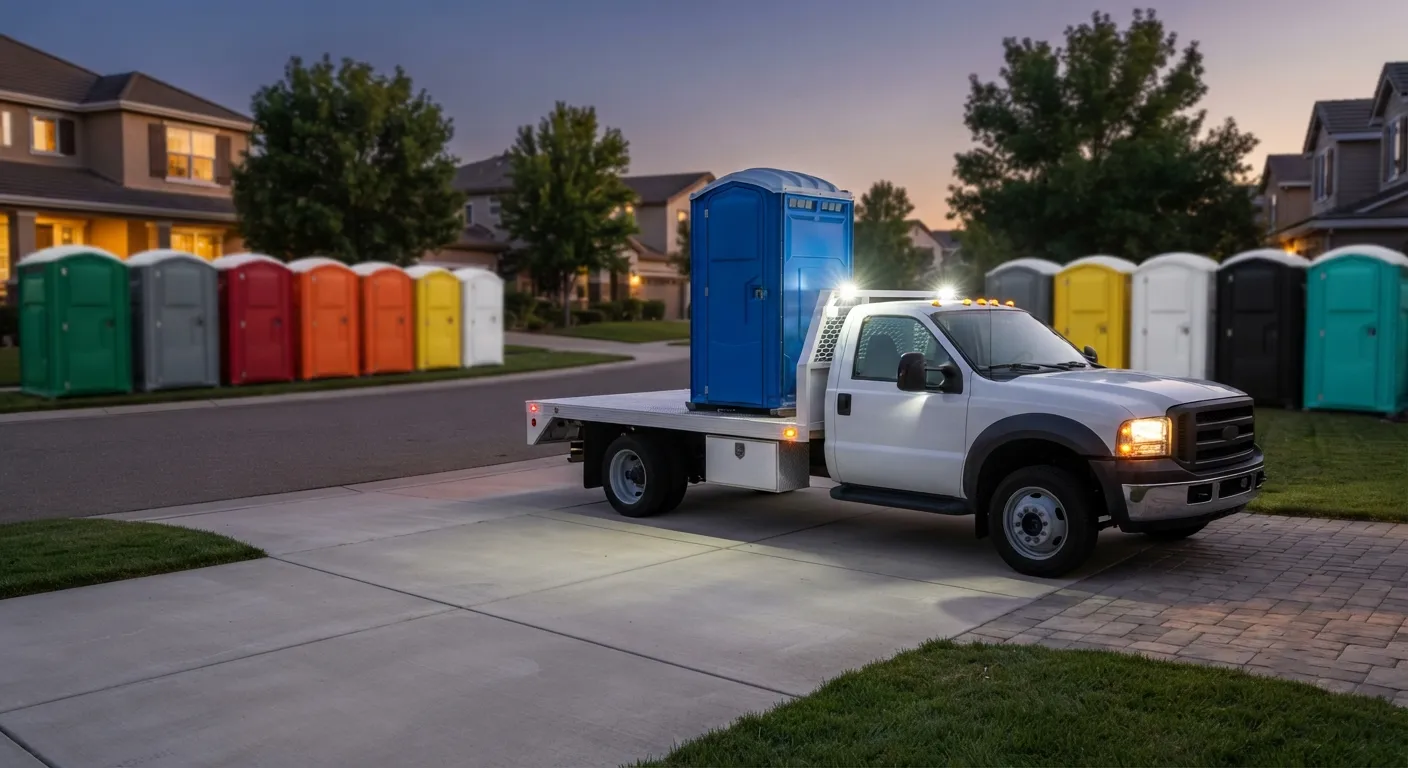
Call right away. A backup into the house is not something that should sit on a routine schedule, and Mount Vernon Porta Pros runs emergency response for exactly this situation. Emergency and weekend visits carry a premium over a standard scheduled pump-out, generally landing in the $50 to $150 range as an add-on for weekend timing, plus the service call itself. The crew's first job on an emergency call is to get the tank pumped down so the backup stops, then assess whether the drain field or the tank itself needs further attention. If the problem turns out to be bigger than a routine pump can fix, that is a separate conversation, but the emergency visit itself is priced and scheduled to get water moving again fast. Mount Vernon homeowners dealing with a weekend backup, a holiday gathering with too many guests, or a tank that clearly went untouched for years should start with our emergency septic service page, and a large event running a luxury restroom trailer can use the same emergency line if the trailer's tank runs into trouble mid-event. If the issue is really about not having enough working toilets on site rather than the tank itself, an emergency porta potty rental can bridge the gap while the system gets sorted out.
Beyond septic work, Mount Vernon Porta Pros also handles roll-off dumpster rental, temporary fence rental, and storage container rental for the same construction and renovation jobs that need a septic visit. If your project also needs handwashing setup separate from restroom needs, our handwashing station rental page covers that, and note that 29 CFR 1910.141(d)(2) requires soap and towels or a hand-drying device at any washing facility, since hand sanitizer alone does not satisfy it. For jobs that involve paints, coatings, herbicides or insecticides specifically, OSHA 1926.51(f)(1) requires washing facilities for that contaminant exposure, which is worth knowing if your renovation includes exterior painting. Homeowners near Pelham, about 5.5 miles northwest of Mount Vernon, and Mamaroneck, roughly 8.1 miles east, use the same crews and the same pricing bands. Scarsdale sits about 8.4 miles west and Dobbs Ferry about 9.5 miles north, both inside normal service range. For the full coverage map, see service areas, and for general porta potty pricing questions unrelated to septic work, our porta potty rental cost page and porta potty rental in Mount Vernon page are good starting points. You can also request a quote directly or check our about and contact pages for details on how we run jobs.
How much does septic tank pumping cost on average?
Most residential pump-outs fall between $150 and $300 as a day-rate service, depending on tank size and access. A 1,000 gallon tank typically lands in the lower half of that range. Weekend service adds a premium, usually $50 to $150 on top.
How often should a 1,000 gallon septic tank be pumped?
Every 3 to 5 years for most households, though a full house with heavy water use may need it closer to 3 years. Household size and tank size together decide the real interval, not a fixed calendar date.
What are the signs my septic tank needs pumping now?
Slow drains, gurgling pipes, sewage odor near the tank, and standing water over the drain field are the main warning signs. A backup into the house means it is already overdue and needs an emergency septic service call.
Does Mount Vernon Porta Pros offer emergency septic pumping?
Yes. Emergency and weekend calls run in the $50 to $150 premium range on top of the standard service fee, and crews prioritize backups to stop active flooding before assessing the rest of the system.
What is the difference between septic pumping and a holding tank rental?
Septic pumping services an existing underground tank on a multi-year schedule. A holding tank rental is a portable unit placed on site for construction, events, or properties without a working septic system, serviced on its own regular schedule.
Can Mount Vernon Porta Pros also service grease traps?
Yes, through a separate service. A grease interceptor gets pumped once fats, oils, grease and solids reach 25 percent of the liquid depth, which happens on its own schedule rather than a fixed yearly date. See grease trap pumping for details.
Next step
Get a delivery date
Tell us the address, the dates and the headcount. We size the order and confirm the route.